from 0 review
10-12 Hours
Daily Tour
4 people
English, Montenegrin, Russian
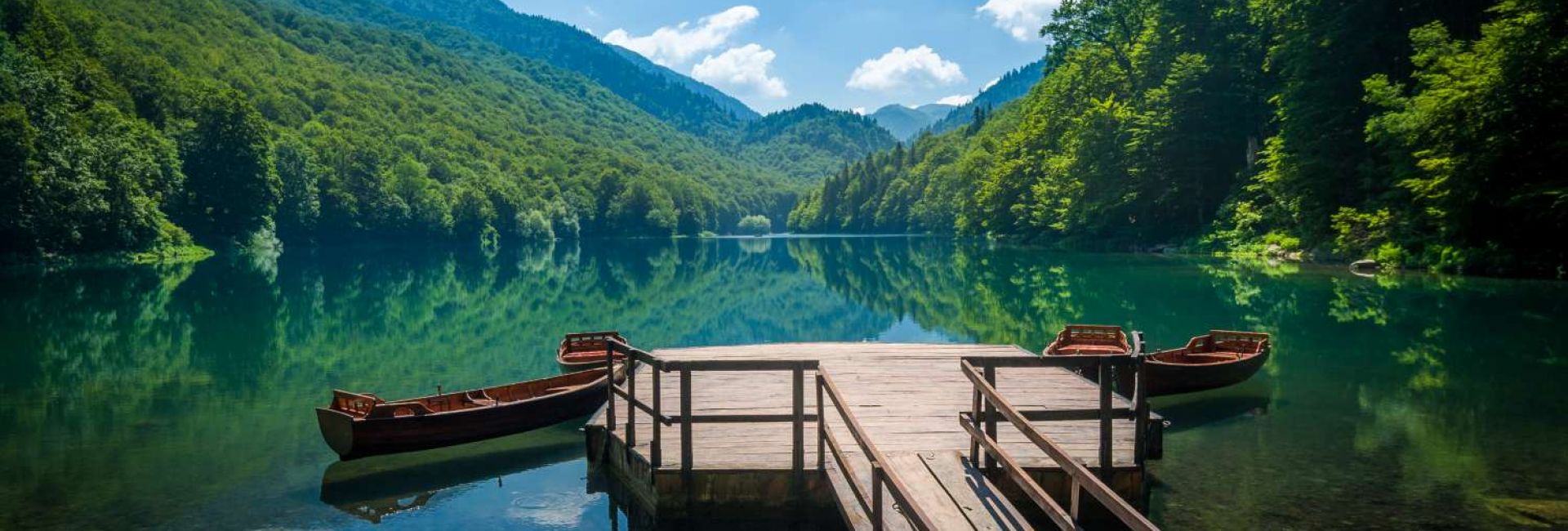
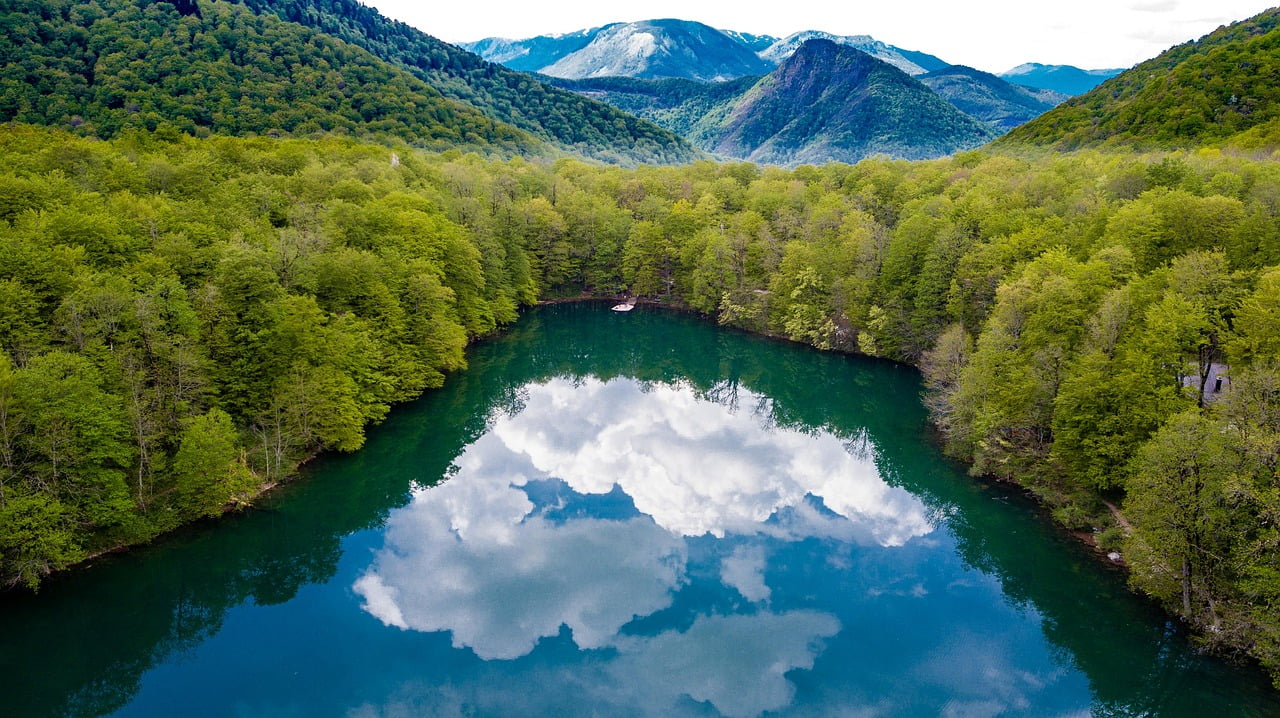
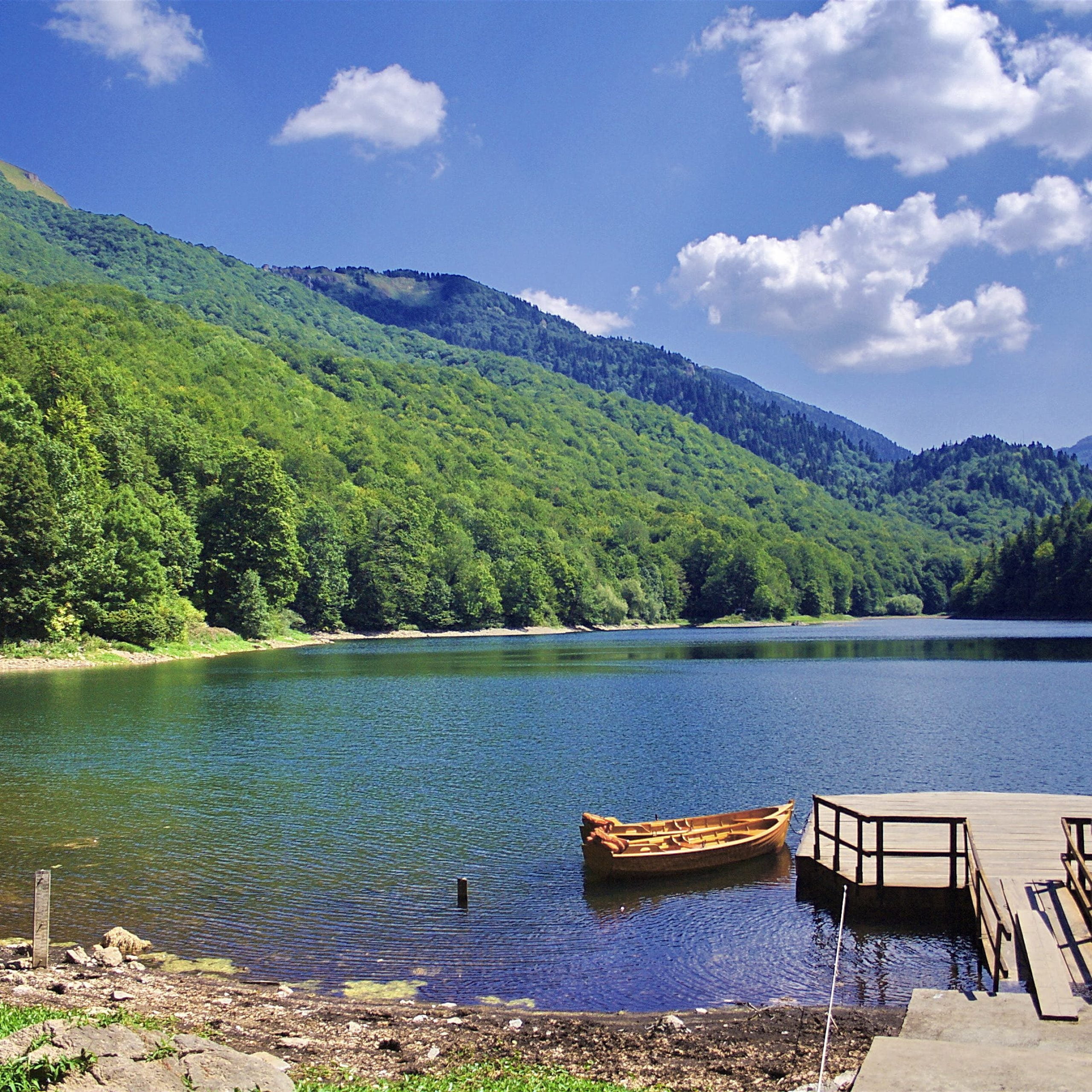
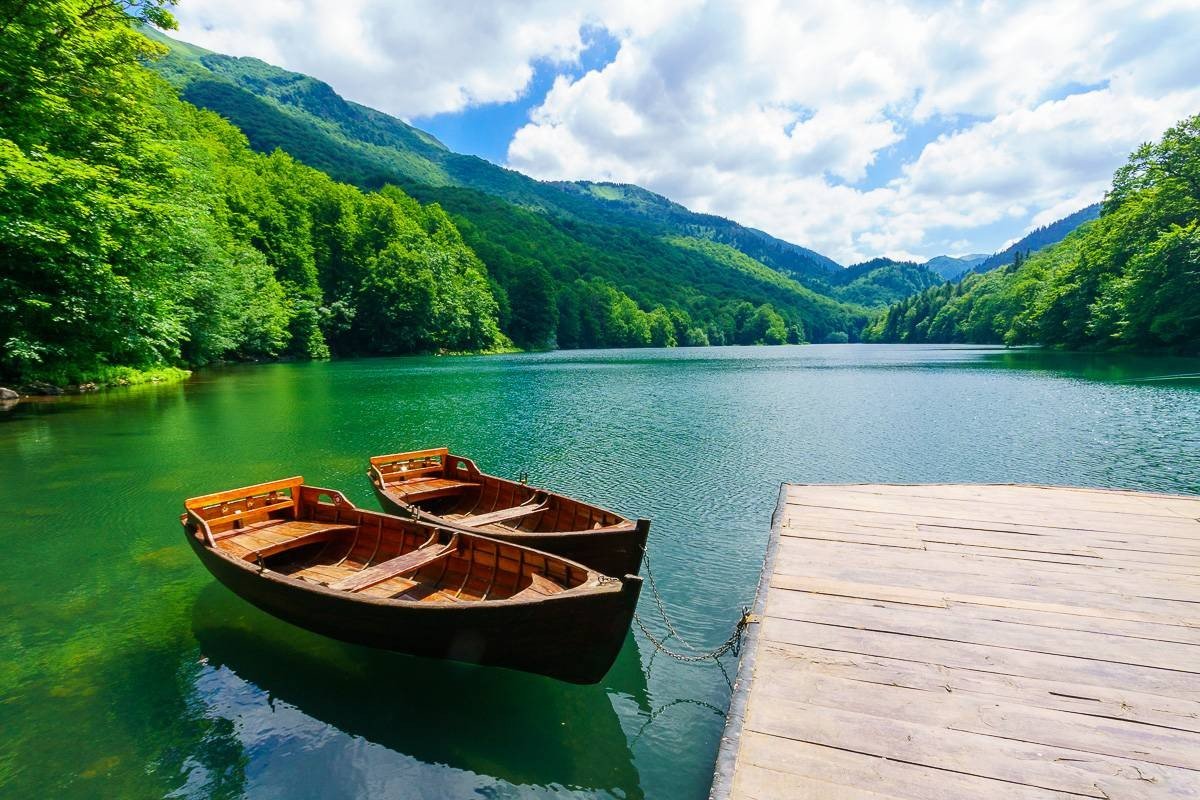
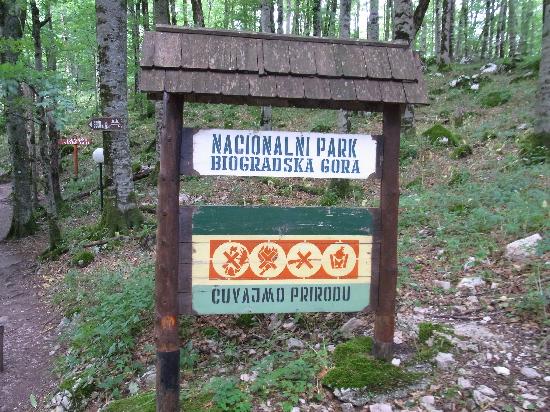
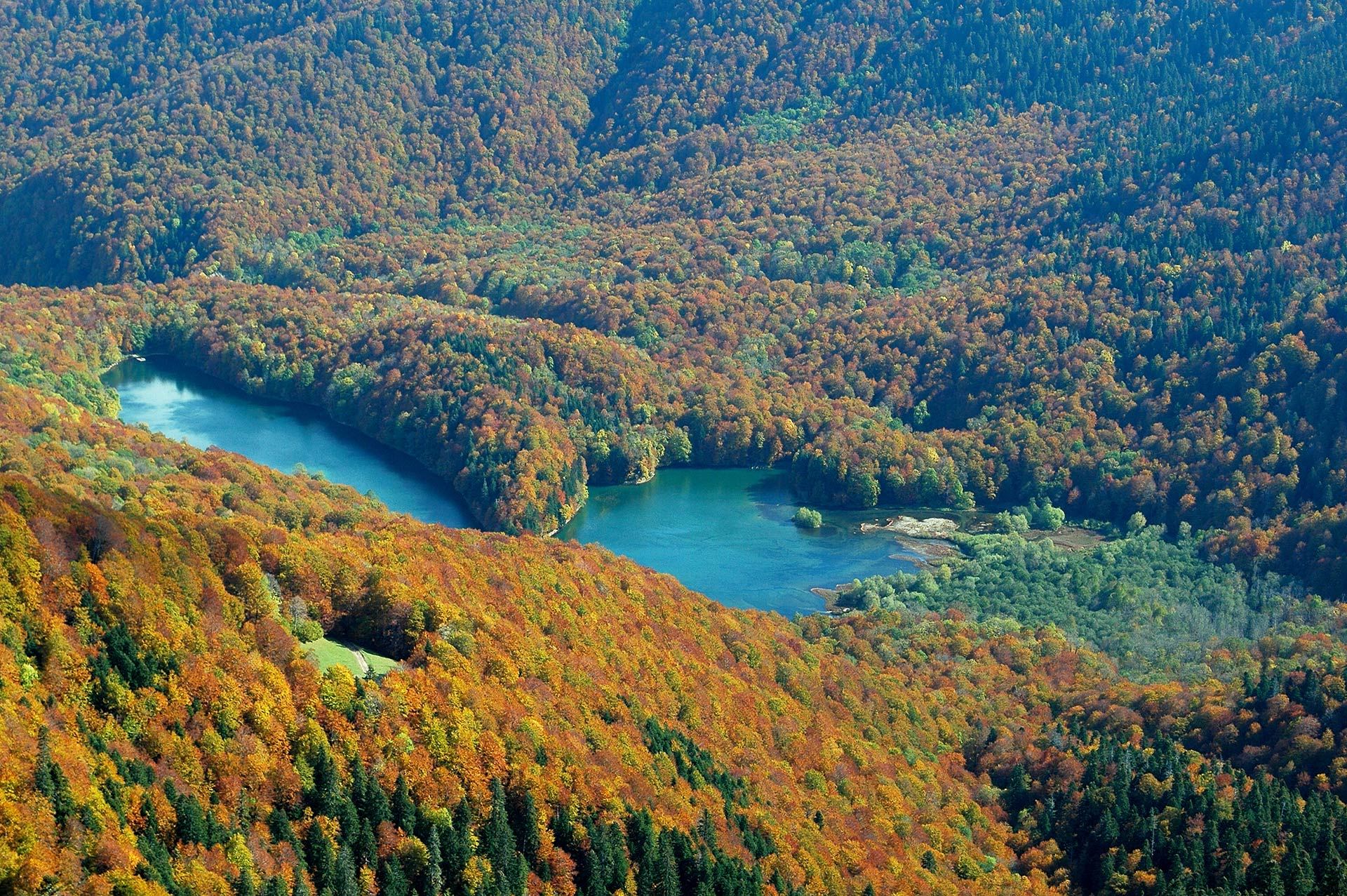
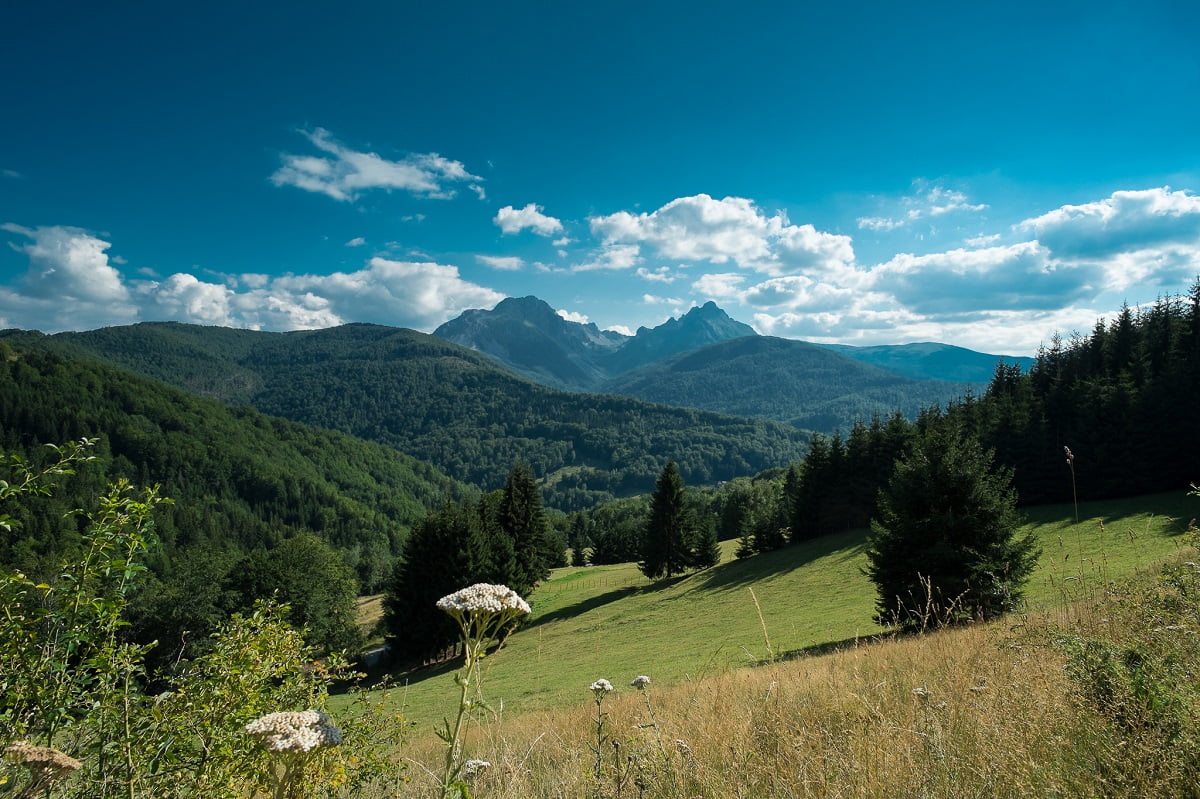
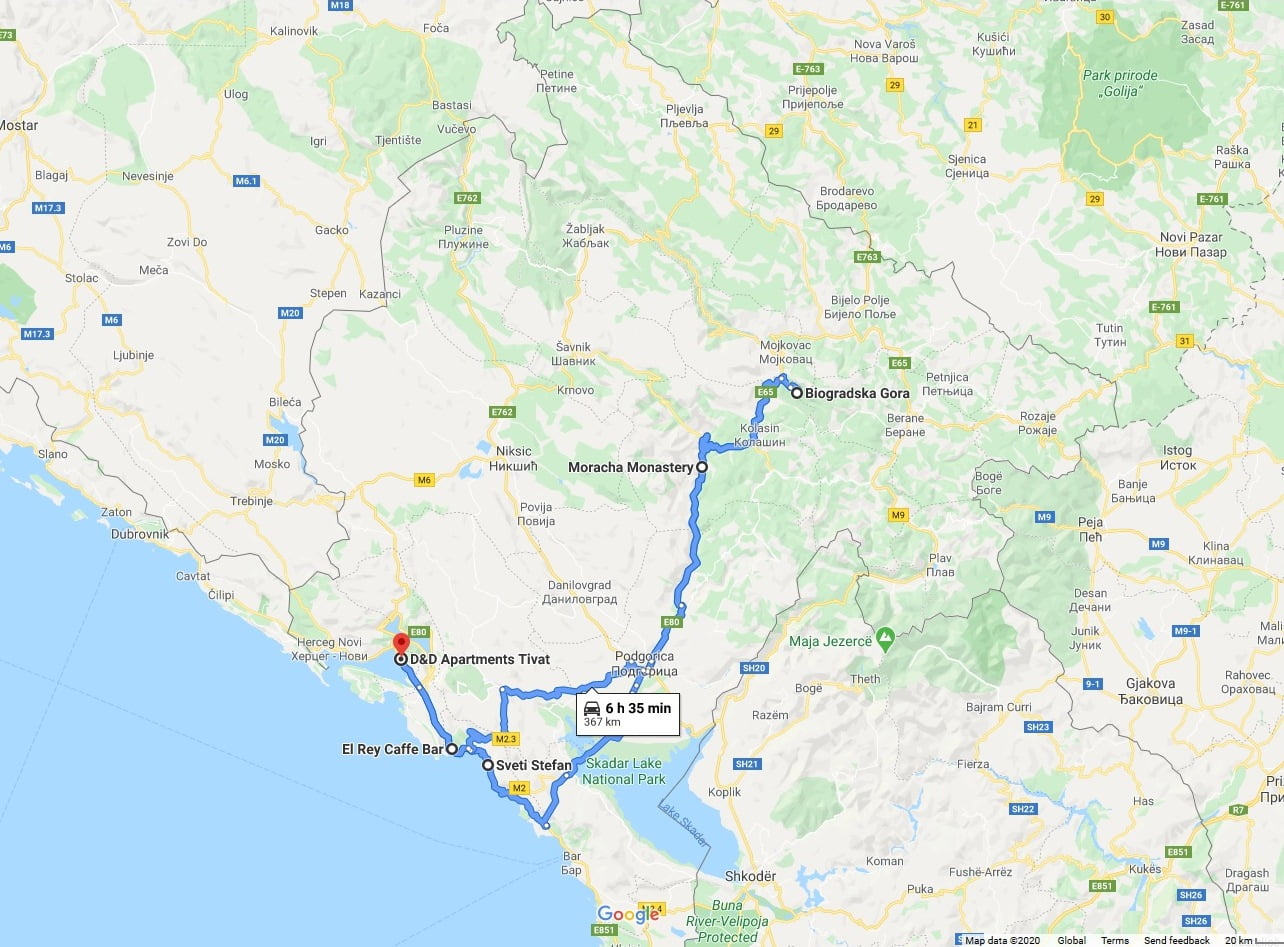
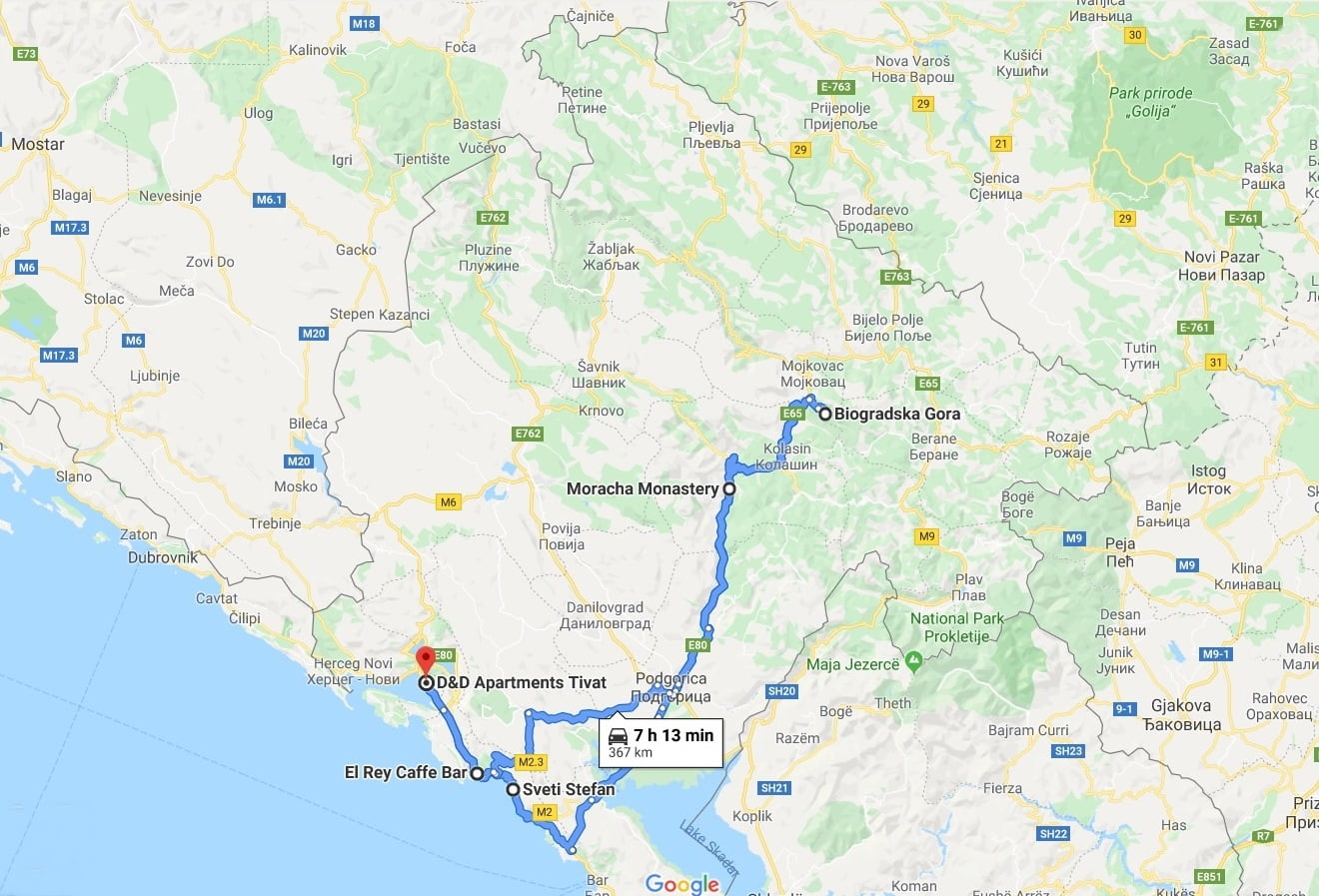
National park Biogradska gora was founded in 1952. It is located in the central part of the Bjelasica mountain massive, between the rivers Tara and Lim. The largest part of the park is the rainforest reserve, in the basin of the Biogradska river and Jezerštica, and is one of the oldest protected areas in the world, known as the Knjažev zabran or Branik (bumper). The age of individual rainforest trees has been estimated at over 400 years, and some of them are over 40 m high. At the heart of the forest Biogradska gora forest is the Biogradsko lake, the largest and most famous of the glacial lakes in the national park area. In addition to lake Biogradsko, the park is also adorned with other glacial lakes: Pešića, Ursulovačko, (large and small) and Šiško (large and small).
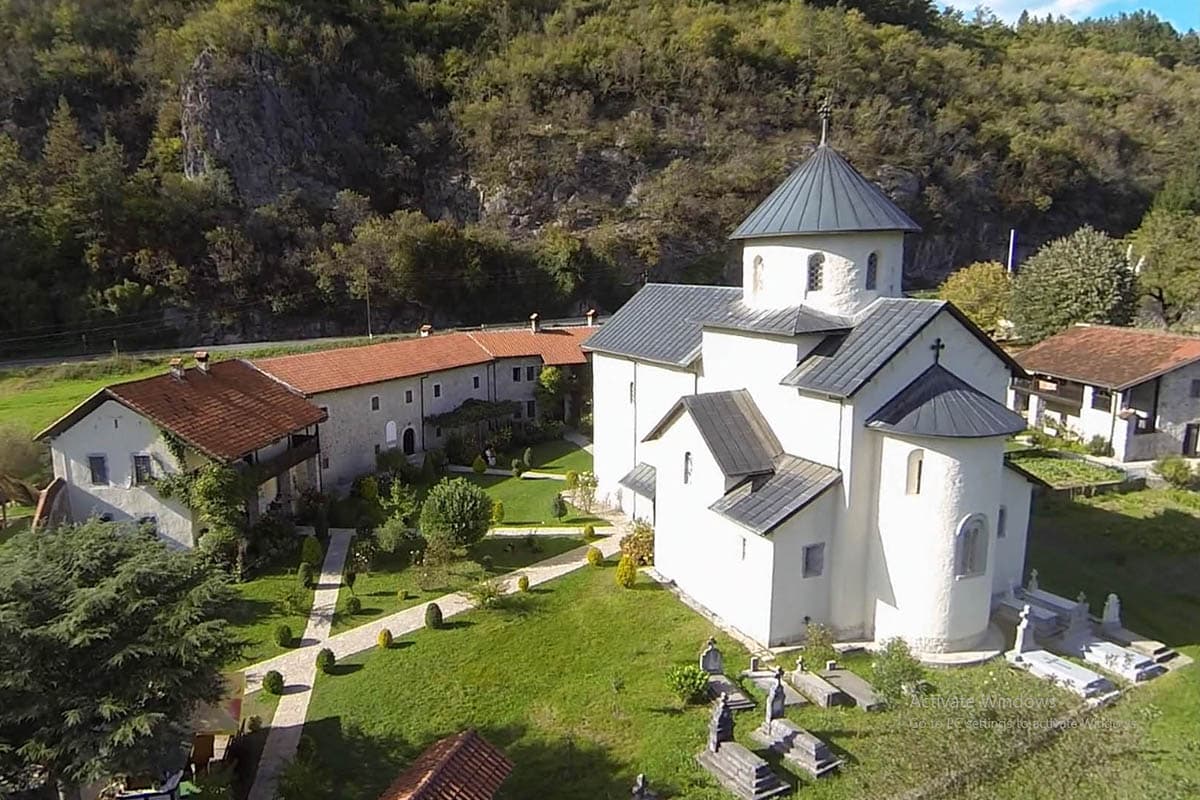
Morača monastery is one of the most famous historical and cultural monuments of Montenegro. It has been a spiritual, enlightening, cultural and liberation center for centuries. It is located by the Svetigore waterfall, along the Morača riverbed, ten kilometers from platije towards Kolašin. It is surrounded by a high stone wall, with doss houses in the yard, decorated with murals and artistic carvings. He was raised by Stefan, son of Vukan, and grandson of Nemanja in 1252. In 1504, the Turks raided the monastery church Assumption of the Virgin, removing the lead roof. After 70 years that the church was rebuilt, but frescoes from the 13th century failed to such an extent that during the 17th century almost the entire church was re-painted. Worked by the best painters of the time, the priest Strahinja from Budimlje, Georgije Mitrofanović, a monk from Hilandar, mastro Jovan, mastro Radul and others. Several fragments remain from the original painting – the bust of the Virgin Mary with the small Christ above the western portal and the portal leading to the nave, as well as the larger whole in one part of the altar – the deaconicon. Legend has it that the monastery was built of yellow siga (tufa) from Tušina, and that the people had created a day of walking a long column of men and women – thus moving the yellow siga from hand to hand, from Tušina to Morača.
| # | Discount group | From children | To children | Value |
|---|---|---|---|---|
| 1 | Djeca | 0 | 4 | 100% |

Member Since 2023
Njeguši, Montenegro
Avanturisticki Park Ivanova Korita, Poda, Montenegro
Virpazar, Montenegro



Leave a review